
Big Data in Dholera Smart City: Building the Future of Smart Urban Development
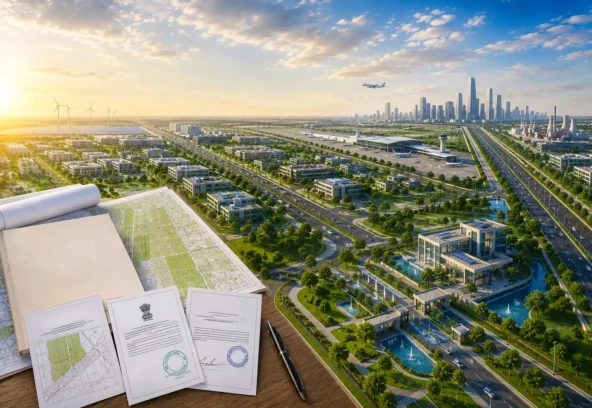
India is moving rapidly toward a digital future, and smart cities are becoming an important part of this transformation. Among all upcoming smart city projects, Dholera Smart City stands out as one of the most ambitious developments in the country. Located in Gujarat, Dholera Special Investment Region (DSIR) is India’s first greenfield smart city and is being developed with world-class infrastructure, advanced technology, and sustainable planning.
One of the most important technologies driving this development is big data. The use of big data in Dholera Smart City is helping planners, industries, and government authorities make smarter decisions, improve efficiency, and create a better living environment for future residents. From traffic management and energy monitoring to industrial growth and public services, data plays a vital role in every aspect of the city’s development.
Let’s explore how big data is transforming Dholera into one of the most advanced smart cities in India.

What is Big Data?
Big data refers to extremely large amounts of information collected from various sources such as sensors, cameras, mobile devices, smart meters, and digital systems. This information is analyzed to identify patterns, trends, and insights that help improve decision-making.
In a smart city environment, millions of data points are generated every day. Managing this information manually would be impossible. This is where advanced technologies such as Artificial Intelligence (AI), Machine Learning (ML), cloud computing, and analytics come into play.
The use of big data in Dholera Smart City allows authorities to monitor city operations in real time and respond quickly to changing situations.
Dholera's Technology-First Development Model
Unlike traditional cities that gradually adopt modern technologies, Dholera is being built from scratch with a technology-first approach. Every aspect of the city is designed to support smart infrastructure and digital governance.
Dholera is strategically located within the Delhi-Mumbai Industrial Corridor (DMIC), making it an ideal destination for industries, logistics companies, manufacturers, and technology firms.
The city’s development focuses on:
- Smart infrastructure
- Sustainable energy solutions
- Digital governance
- Intelligent transportation
- Industrial growth
- Advanced communication networks
The integration of big data helps connect all these systems, creating a highly efficient and future-ready urban ecosystem.
Data Centers: The Digital Backbone of Dholera
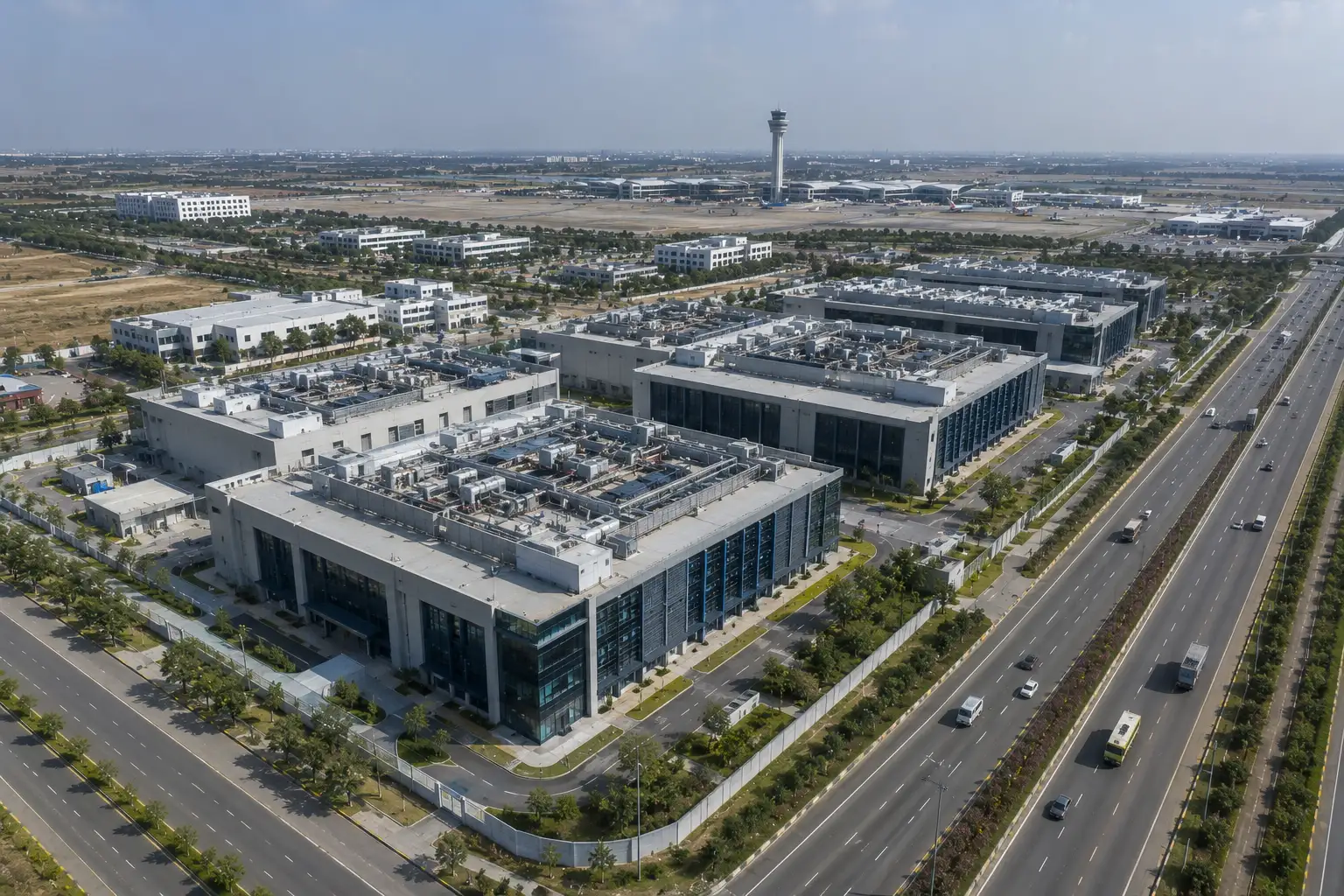
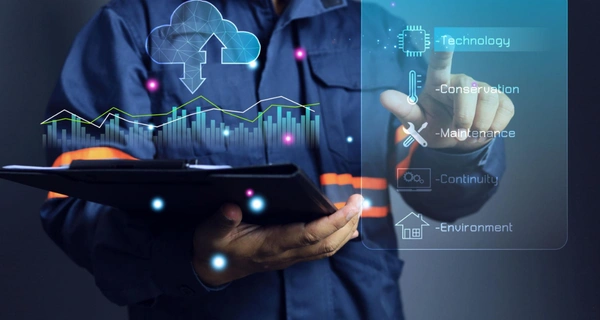
One of the major developments supporting big data in Dholera Smart City is the establishment of large-scale data centers.
Data centers are facilities that store, process, and manage enormous amounts of digital information. They serve as the backbone of cloud computing, artificial intelligence, and digital services.
As global demand for data processing continues to grow, Dholera is emerging as a preferred destination for hyperscale data centers because of:
- Reliable power supply
- Large land availability
- Renewable energy resources
- Strong infrastructure
- Government support
These facilities help process information generated by city operations, industries, businesses, and public services.
Without advanced data centers, it would be difficult to manage the massive volume of information required for a smart city ecosystem.

Role of IoT in Dholera Smart City
The Internet of Things (IoT) is another important technology supporting big data in Dholera Smart City.
IoT refers to a network of connected devices that collect and share information automatically. These devices act as the city’s digital sensors.
Examples include:
- Smart streetlights
- Traffic monitoring systems
- Smart electricity meters
- Water management sensors
- Security cameras
- Environmental monitoring stations
These devices continuously collect information and send it to centralized systems for analysis.
These devices continuously collect information and send it to centralized systems for analysis.
The collected data helps city administrators understand how the city is functioning and identify areas that need improvement.
For example, traffic sensors can detect congestion and automatically adjust traffic signals to improve traffic flow.
Similarly, smart meters can monitor electricity consumption and help reduce energy wastage.

Smarter Urban Planning Through Data
Traditional city planning often depends on historical records and estimates. Dholera is adopting a more advanced approach through data-driven urban planning.
By analyzing real-time data, planners can better understand future requirements and make informed decisions.
Big data helps planners determine:
- Future housing demand
- Road network expansion
- Water supply requirements
- Industrial land allocation
- Public transportation needs
This proactive approach reduces wasteful spending and ensures resources are used efficiently.
As Dholera grows, continuous data analysis will help the city adapt to changing demands without compromising service quality.
Smart Infrastructure and Predictive Maintenance
Maintaining infrastructure is one of the biggest challenges for any city. Dholera is using data analytics to make infrastructure management more efficient.
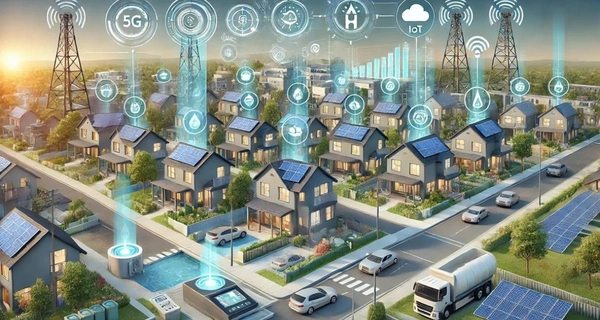
Sensors installed in roads, buildings, utility networks, and public facilities continuously monitor their condition.
These systems can detect:
- Structural weaknesses
- Equipment failures
- Water leakages
- Electrical issues
- Maintenance requirements
Instead of waiting for problems to occur, authorities can perform preventive maintenance before major failures happen.
This reduces repair costs, improves safety, and increases the lifespan of infrastructure assets.
Energy Efficiency Through Big Data
Sustainability is a key objective of Dholera Smart City.
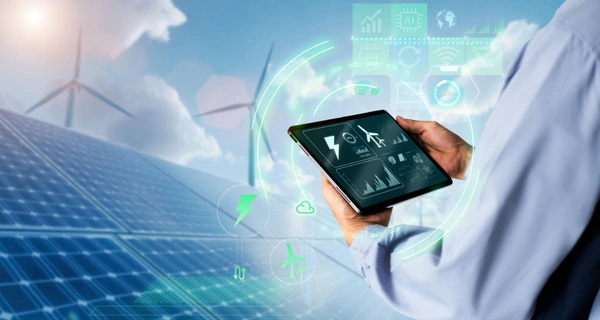
The city is integrating renewable energy sources such as solar power into its infrastructure. Managing these energy systems efficiently requires continuous monitoring and analysis.
Big data helps optimize:
- Electricity generation
- Power distribution
- Energy consumption
- Renewable energy integration
- Grid performance
Smart grids use real-time information to balance electricity demand and supply.
This ensures reliable power delivery while minimizing wastage and reducing environmental impact.
As Dholera continues to expand, smart energy management will become increasingly important.
Intelligent Transportation Systems
Transportation plays a critical role in economic development and quality of life.
Dholera is developing an intelligent transportation network supported by data analytics and real-time monitoring.
Major projects such as:
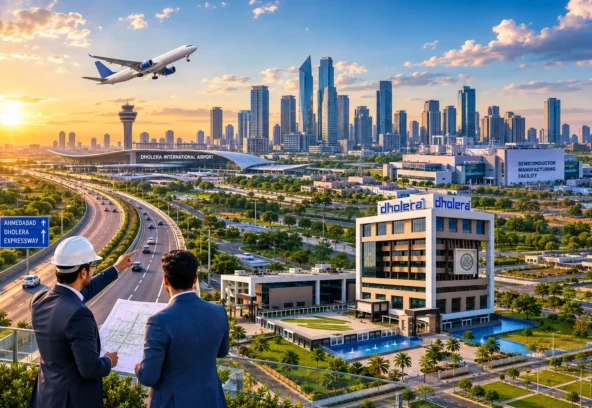
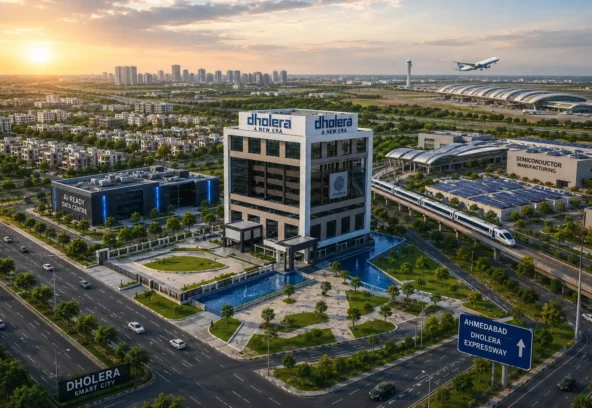
- Ahmedabad-Dholera Expressway
- Dholera International Airport
- Future rail connectivity
- Industrial logistics corridors
will all benefit from advanced traffic management systems.
Big data helps transportation authorities:
- Reduce congestion
- Improve route planning
- Enhance public transport efficiency
- Improve emergency response
- Lower travel times
The result is a safer, faster, and more efficient transportation ecosystem.
Impact on Industrial Growth
Industries are one of the primary drivers of Dholera’s economic development.
Manufacturing companies, semiconductor plants, logistics firms, and technology businesses generate huge amounts of information every day.
Big data helps industries:
- Improve production efficiency
- Reduce operational costs
- Optimize supply chains
- Predict equipment maintenance
- Improve quality control
The growing digital infrastructure in Dholera makes it an attractive destination for global investors looking to establish advanced manufacturing facilities.
Real Estate Benefits of Big Data Development
The rapid growth of technology infrastructure is also creating opportunities in the real estate sector.
As more businesses establish operations in Dholera, demand for housing, office spaces, retail centers, and commercial developments continues to increase.
The presence of data centers, technology parks, and industrial facilities attracts skilled professionals who require modern residential communities.
This growing demand has made Dholera one of the most closely watched real estate markets in Gujarat.
Many investors believe that the continued expansion of big data infrastructure will contribute to long-term property value appreciation.
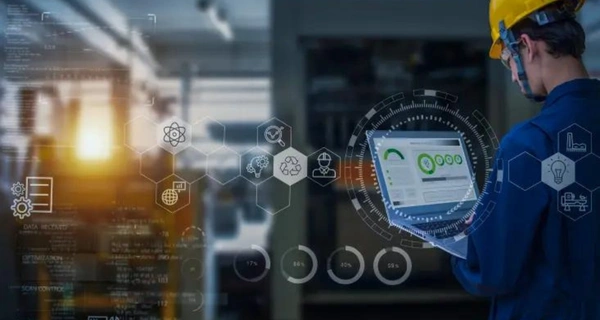
The Future of Big Data in Dholera Smart City
The future possibilities for Dholera are enormous.
As technology continues to evolve, the city may adopt advanced solutions such as:
- AI-powered governance
- Smart healthcare systems
- Autonomous public transportation
- Predictive public safety systems
- Advanced environmental monitoring
- Open-data innovation platforms
These technologies will further improve efficiency, sustainability, and quality of life for residents.
Dholera’s vision is not just to become a smart city but to become a global model for future urban development.
Conclusion
The implementation of big data in Dholera Smart City is transforming the way cities are planned, managed, and developed. Through advanced technologies such as AI, IoT, cloud computing, and data analytics, Dholera is creating a highly connected and efficient urban ecosystem.
From smart infrastructure and transportation to industrial development and energy management, data is driving every aspect of the city’s growth. As investments continue to flow into technology and digital infrastructure, Dholera is positioning itself as one of India’s most advanced smart cities and an important center for future economic growth.
The future of urban development is data-driven, and Dholera Smart City is leading the way.
Future X Developers
Future X Developers is helping investors explore opportunities near Dholera Smart City with future-ready plotted developments and strategic investment options. With the rapid growth of infrastructure, tourism, and industrial projects around Lothal and Dholera, the region is emerging as one of the most promising destinations for long-term growth and development.
FAQ
1. What are Dholera Sports Facilities?
Dholera Sports Facilities are the planned sports, fitness, and recreational infrastructures within Dholera Smart City, including sports complexes, playgrounds, parks, cycling tracks, fitness centers, and wellness zones.
2. Will Dholera have international-standard sports facilities?
Yes, Dholera Smart City is planned with modern sports infrastructure that can support professional training, local competitions, and future national-level sporting events.
3. What sports facilities are planned in Dholera Smart City?
The master plan includes cricket grounds, football fields, athletic tracks, indoor sports arenas, multi-purpose courts, cycling tracks, fitness centers, and community playgrounds.
4. Are there dedicated fitness and wellness centers in Dholera?
Yes, Dholera is expected to feature gyms, yoga centers, meditation spaces, jogging tracks, cycling paths, and outdoor fitness zones to promote healthy living.
5. Will Dholera have parks and open recreational spaces?
Yes, large parks, landscaped gardens, children’s play areas, and green open spaces are part of the city’s development plan to encourage outdoor activities and community interaction.