
New Bhavnagar Port: A Major Boost for Dholera Smart City Growth
The development of large-scale infrastructure projects often acts as a catalyst for regional economic growth. Gujarat has consistently demonstrated how strategic investments in ports, highways, industrial corridors, and smart cities can transform entire regions into economic powerhouses.
One of the latest developments attracting attention is the proposed New Bhavnagar Port, a massive infrastructure project planned with an estimated investment of ₹4,500 crore. The project is expected to strengthen maritime connectivity, improve logistics efficiency, and support industrial expansion across the region.
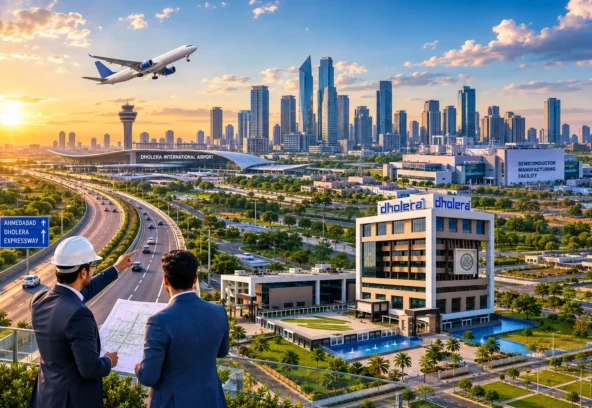
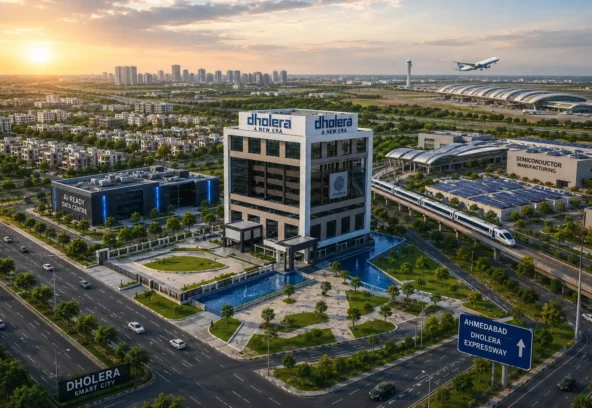
For stakeholders monitoring the growth of Dholera Smart City, this development is particularly significant. Located within Gujarat’s rapidly developing industrial ecosystem, Dholera is already benefiting from major infrastructure projects such as the Dholera International Airport, Ahmedabad-Dholera Expressway, industrial zones, and semiconductor investments. The addition of a modern port facility nearby can further enhance the region’s connectivity and economic potential.
In this article, we explore how the New Bhavnagar Port project could contribute to the long-term growth of Dholera and why it is becoming an important part of Gujarat’s infrastructure story.
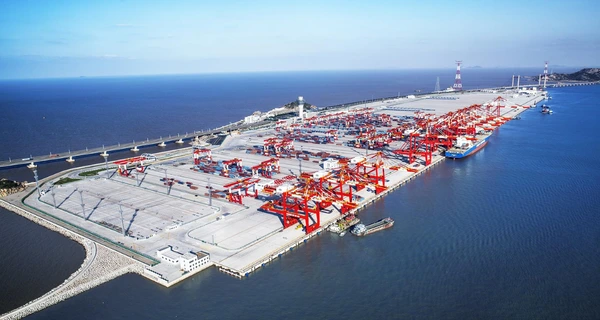
Understanding the New Bhavnagar Port Project
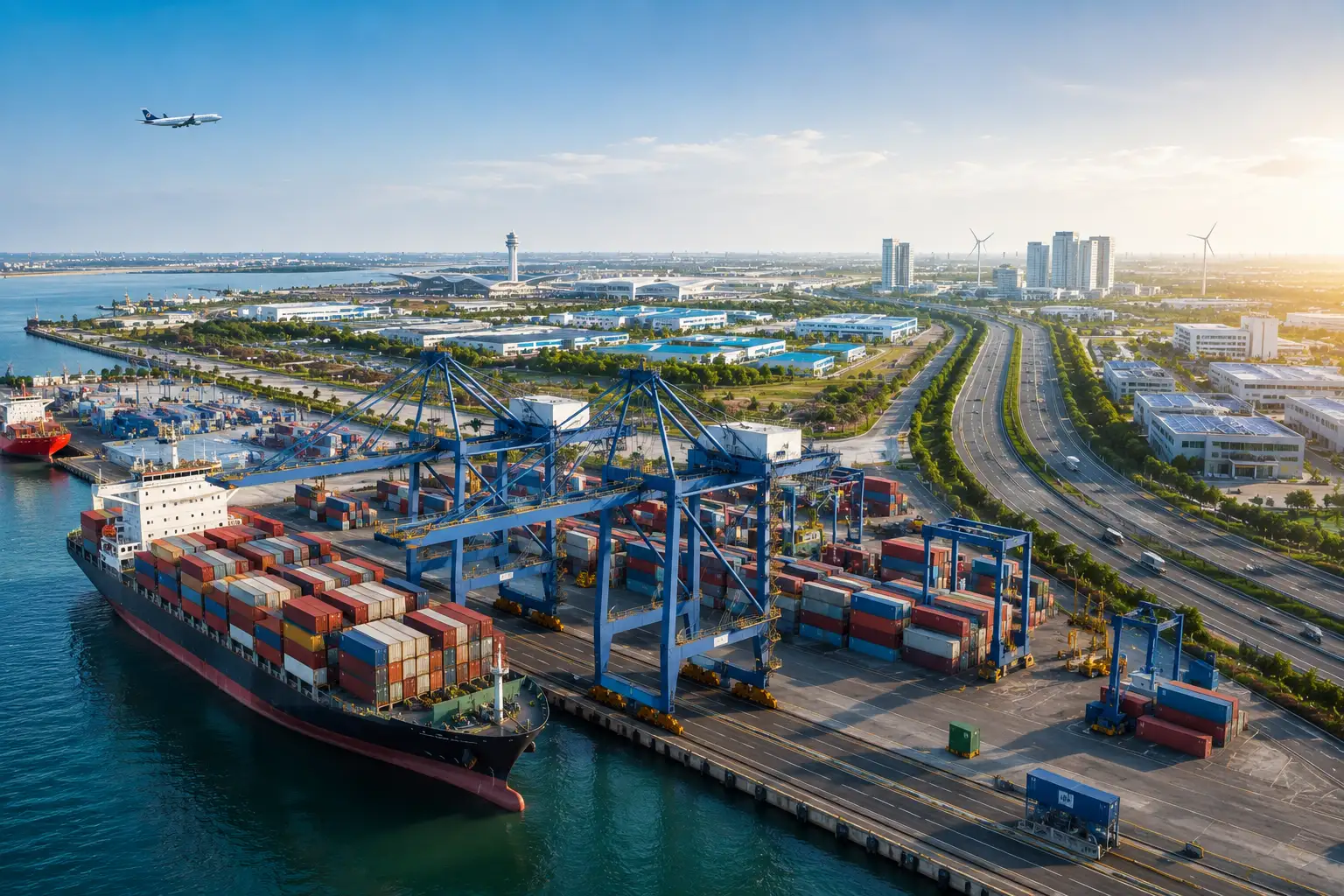
The proposed New Bhavnagar Port is designed to become a modern maritime logistics hub capable of handling multiple categories of cargo.
Key highlights include:
- Investment of approximately ₹4,500 crore
- Development across 580 acres
- Expandable area up to 1,200 acres
- 3-Berth Container Terminal
- 2-Berth Multipurpose Terminal
- Ro-Ro Terminal
- Proposed Liquid Cargo Terminal
The project aims to create a world-class port ecosystem capable of supporting industrial growth and improving trade efficiency for businesses operating across Gujarat.
As industries continue to expand in the region, demand for efficient cargo movement and export-import infrastructure is increasing. The New Bhavnagar Port is expected to address this demand by providing enhanced maritime connectivity.
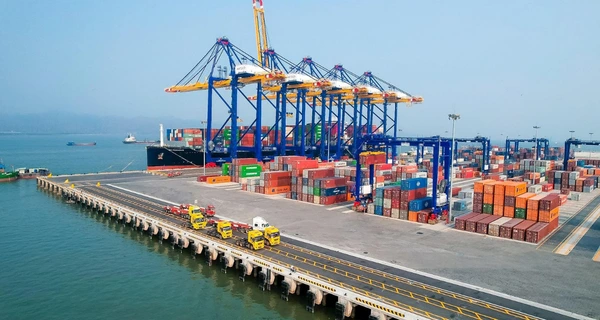
Why Ports Matter for Economic Development
Ports are among the most important infrastructure assets in any economy.
A well-developed port provides:
- Faster movement of goods
- Lower transportation costs
- Better export opportunities
- Increased industrial activity
- Job creation
- Improved supply chain efficiency
Countries and regions with strong port infrastructure often become preferred destinations for manufacturing and industrial investments.
Examples around the world show that cities connected to modern ports typically witness higher levels of industrial growth, real estate development, and employment generation.
The New Bhavnagar Port has the potential to play a similar role for the Dholera-Bhavnagar region.
How New Bhavnagar Port Can Benefit Dholera Smart City
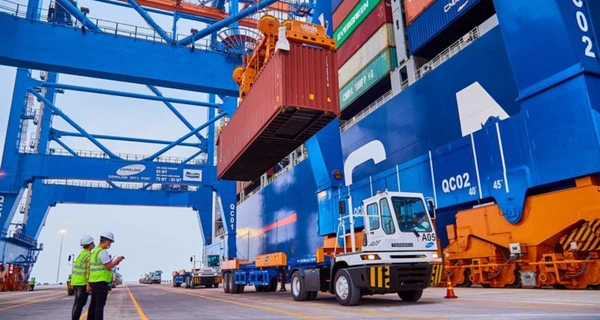
1. Improved Logistics Connectivity
One of the biggest advantages of the New Bhavnagar Port is the improvement in logistics infrastructure.
Dholera Smart City is being developed as a major industrial and manufacturing hub. Industries require seamless movement of raw materials and finished products.
A nearby port can help businesses:
- Reduce transportation time
- Lower logistics costs
- Improve supply chain efficiency
- Access international markets more easily
This improved connectivity can make Dholera more attractive to manufacturing companies looking for efficient export facilities.
2. Support for Industrial Expansion
Dholera Smart City is already attracting interest from industries across multiple sectors.
Some key sectors expected to grow include:
- Electronics manufacturing
- Semiconductor production
- Renewable energy
- Engineering industries
- Aerospace and aviation
- Logistics and warehousing
As industrial activity increases, the demand for maritime transportation will also rise.
The New Bhavnagar Port can support these industries by providing efficient cargo handling facilities and access to global trade routes.
3. Strengthening Gujarat's Industrial Corridor
The Delhi-Mumbai Industrial Corridor (DMIC) is one of India’s largest infrastructure initiatives.
Dholera is a key node within this corridor.
The addition of modern port infrastructure can further strengthen the industrial ecosystem by creating better integration between:
- Industrial zones
- Expressways
- Rail networks
- Airports
- Ports
This interconnected infrastructure network can significantly improve economic productivity and attract additional investments.
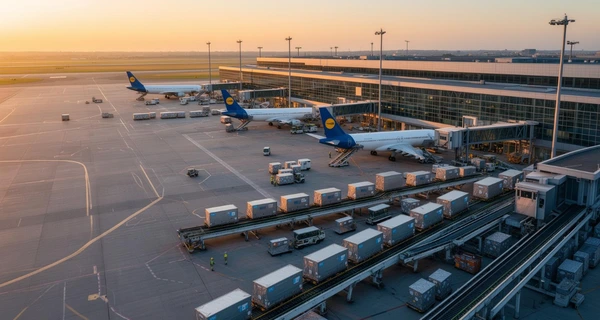
4. Enhanced Export Opportunities
Export-oriented industries require reliable access to international shipping routes.
The New Bhavnagar Port can provide businesses operating in Dholera with:
- Faster export processing
- Reduced shipping costs
- Better access to global markets
- Improved trade competitiveness
For manufacturing companies considering Dholera as a production base, the availability of nearby port infrastructure can become an important advantage.
Impact on Employment Generation
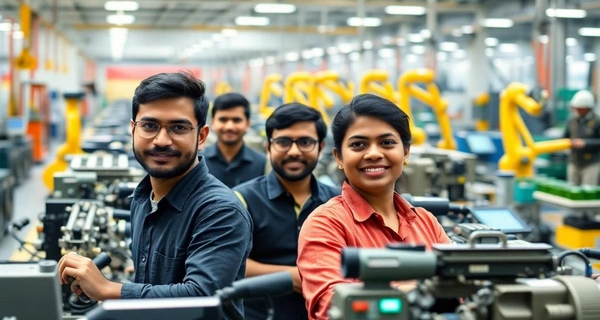
Large infrastructure projects create economic opportunities at multiple levels.
The New Bhavnagar Port is expected to generate jobs through:
Direct Employment
- Port operations
- Cargo handling
- Terminal management
- Security services
- Maintenance operations
Indirect Employment
- Transportation services
- Warehousing
- Logistics companies
- Industrial support services
- Hospitality and retail businesses
As economic activity expands, surrounding regions including Dholera can experience increased employment opportunities.
Integration with Dholera's Growing Infrastructure
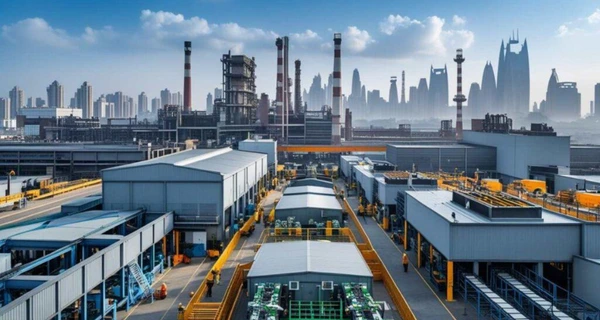
Dholera Smart City is already witnessing rapid infrastructure development.
Some major projects include:
Dholera International Airport
The upcoming airport is expected to improve passenger and cargo connectivity.
Ahmedabad-Dholera Expressway
The expressway will significantly reduce travel time between Ahmedabad and Dholera.
Industrial Zones
Dedicated industrial areas are being developed to attract manufacturing investments.
Semiconductor Ecosystem
Large semiconductor projects are expected to strengthen India’s electronics manufacturing capabilities.
The New Bhavnagar Port complements these developments by adding a maritime connectivity component to the overall infrastructure ecosystem.
Why Investors Are Watching the Region Closely
Infrastructure development often creates long-term economic momentum.
Investors generally track:
- Transportation infrastructure
- Industrial growth
- Government investment
- Connectivity improvements
- Employment generation
The combination of:
- Dholera Smart City
- Dholera International Airport
- Ahmedabad-Dholera Expressway
- Semiconductor projects
- New Bhavnagar Port
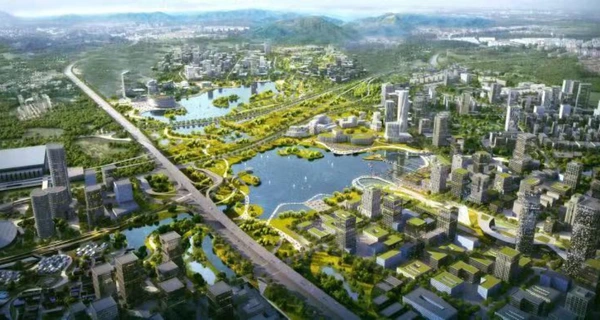
creates a strong infrastructure-driven growth narrative for the region.
While infrastructure alone does not guarantee outcomes, such developments often contribute to long-term economic expansion and increased business activity.
Long-Term Economic Potential
The success of modern economic zones depends heavily on connectivity.
A region that offers:
- Road connectivity
- Rail connectivity
- Air connectivity
- Maritime connectivity
typically becomes more attractive to businesses and industries.
The New Bhavnagar Port has the potential to strengthen the Dholera region’s competitiveness by providing an additional logistics gateway.
As industrial investments continue to arrive, the demand for efficient transportation and cargo movement infrastructure is likely to increase.
This makes the port an important strategic asset for future growth.
Gujarat's Vision for Infrastructure-Led Growth
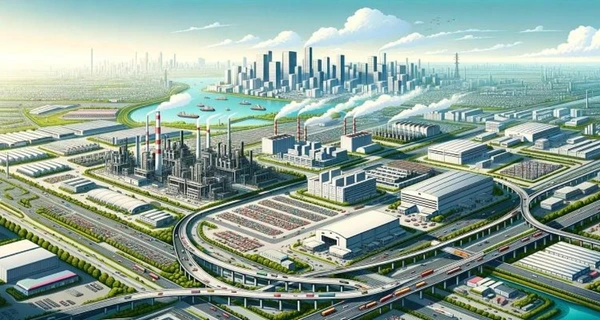
Gujarat has consistently focused on infrastructure as a foundation for economic development.
Over the years, the state has invested heavily in:
- Ports
- Industrial corridors
- Highways
- Renewable energy projects
- Smart cities
- Manufacturing ecosystems
The New Bhavnagar Port aligns with this broader vision by supporting trade, logistics, and industrial expansion.
Together with Dholera Smart City, the project can contribute to creating one of India’s most advanced economic and industrial regions.
Conclusion
The proposed New Bhavnagar Port represents another major milestone in Gujarat’s infrastructure development journey. With an estimated investment of ₹4,500 crore, modern cargo facilities, and future expansion potential, the project is expected to improve trade efficiency and strengthen regional connectivity.
For Dholera Smart City, the port can serve as an important supporting infrastructure asset by enhancing logistics capabilities, supporting industrial growth, and improving access to global markets.
As developments such as the Dholera International Airport, Ahmedabad-Dholera Expressway, semiconductor manufacturing projects, and industrial zones continue to progress, the addition of a modern port facility further reinforces the region’s long-term growth potential.
The New Bhavnagar Port is not just a maritime project—it is a strategic step toward building a stronger, better-connected, and economically vibrant future for the entire Dholera region.
Future X Developers
Future X Developers is helping investors explore opportunities near Dholera Smart City with future-ready plotted developments and strategic investment options. With the rapid growth of infrastructure, tourism, and industrial projects around Lothal and Dholera, the region is emerging as one of the most promising destinations for long-term growth and development.
FAQ
1. What is the investment planned for New Bhavnagar Port?
The proposed New Bhavnagar Port is planned with an investment of approximately ₹4,500 crore.
2. How large is the New Bhavnagar Port project?
The project will initially cover 580 acres and can be expanded up to 1,200 acres.
3. How will New Bhavnagar Port benefit Dholera Smart City?
It can improve logistics, support industries, enhance exports, and strengthen regional connectivity.
4. What facilities are planned at the port?
The project includes a container terminal, multipurpose terminal, Ro-Ro terminal, and a proposed liquid cargo terminal.
5. Why is the port important for industrial growth?
Ports help reduce transportation costs, improve supply chains, and provide access to global trade routes, making regions more attractive for industries.